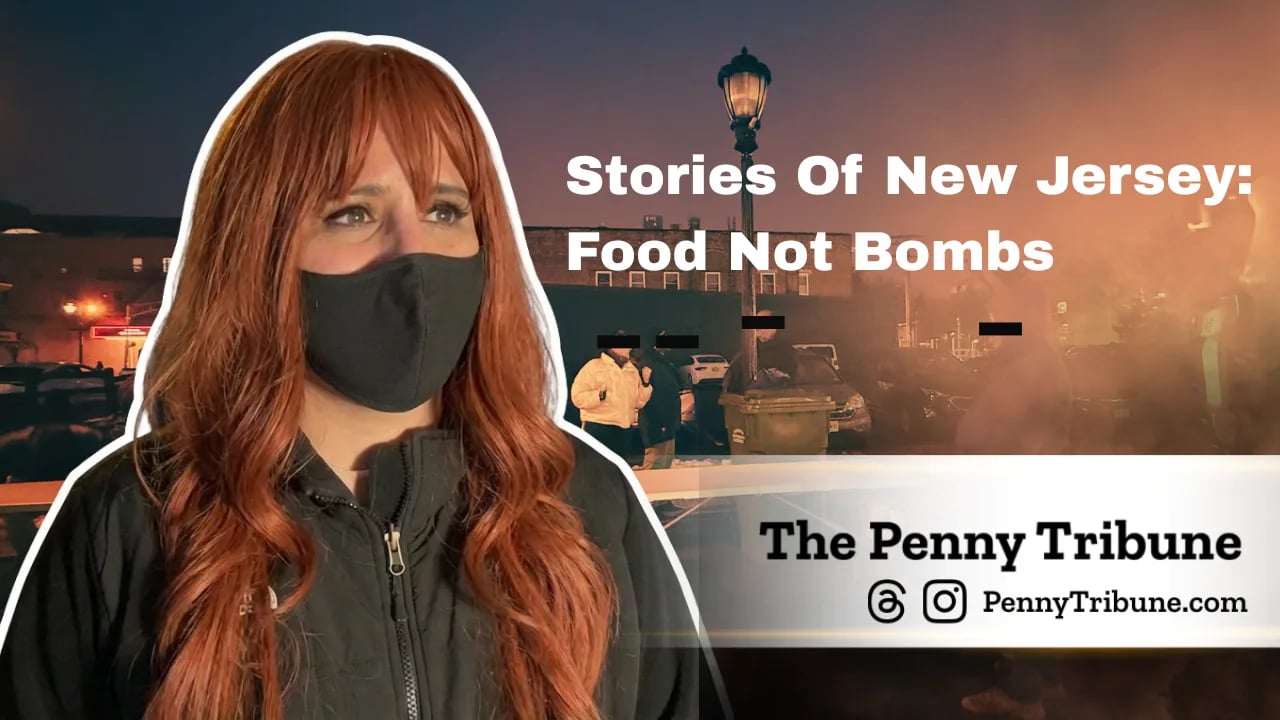

Meet Food Not Bombs, a grassroots organization helping communities not only in New Jersey but across the country. Explore the Jersey Shore Network.
About 1 in 7 Americans live in households that have difficulty affording food, with nearly 18 million skipping meals. [source] FRAC is the main source for hunger statistics by race, indicating that food insecurity among Black (24.4%) and Hispanic (20.2%) households stays notably higher than the national average.
“One Big Beautiful Bill Act”
Public Law 119-21, signed on July 4, 2025, details a $187 billion reduction in SNAP and Medicaid funding. The Center on Budget and Policy Priorities (CBPP) and Feeding America Action examined the potential impacts, particularly emphasizing the expanded work requirements for adults up to age 64 and the removal of eligibility for certain non-citizens, including refugees and asylees.
In New Jersey, the number of individuals getting SNAP benefits (commonly known as “NJ SNAP”) has varied considerably over the past year because of policy updates and economic changes.
According to the most recent data from the New Jersey Department of Human Services (December 2025), roughly 800,000 people receive SNAP benefits in the state. [source]
On September 20, 2025, the USDA stated it would end future Household Food Security Reports, citing them as “redundant” and “politicized.” This decision has sparked significant controversy among food security advocates.
Who is Food Not Bombs
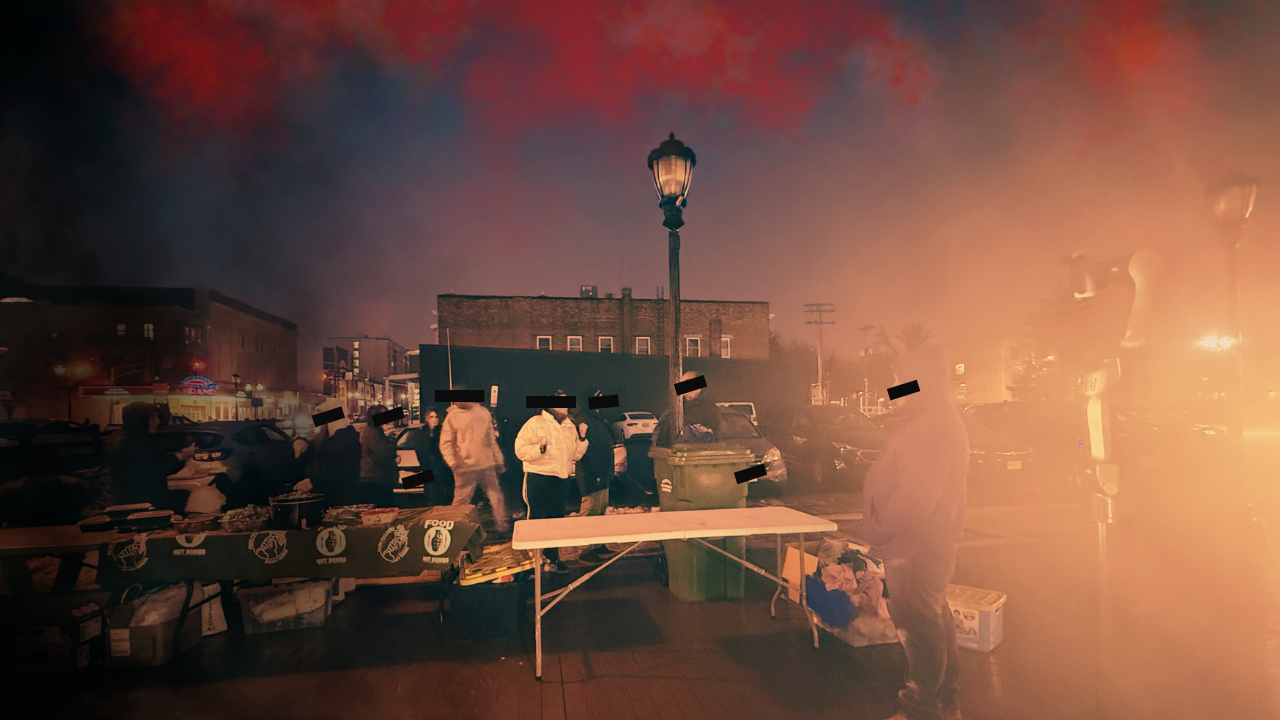
Food Not Bombs (FNB) is a decentralized, international volunteer network that salvages food destined for disposal and distributes it as free vegan and vegetarian meals. Instead of functioning as a conventional charity, the organization sees itself as a form of nonviolent direct action, protesting war, poverty, and the “military-industrial complex”.
Values:
Always Vegan or Vegetarian
Autonomous and Decentralized
Solidarity, Not Charity
The group was founded in 1980 in Cambridge, Massachusetts, by activists opposed to nuclear energy. Their first protest occurred outside the Federal Reserve Bank in 1981, protesting nuclear sector investments. Today, Food Not Bombs has over 1,000 chapters across 60 countries. In addition to providing meals, chapters often support protests, strikes, and occupations logistically. They were among the first to deliver food during disasters like Hurricane Katrina and the 2004 Asian Tsunami.
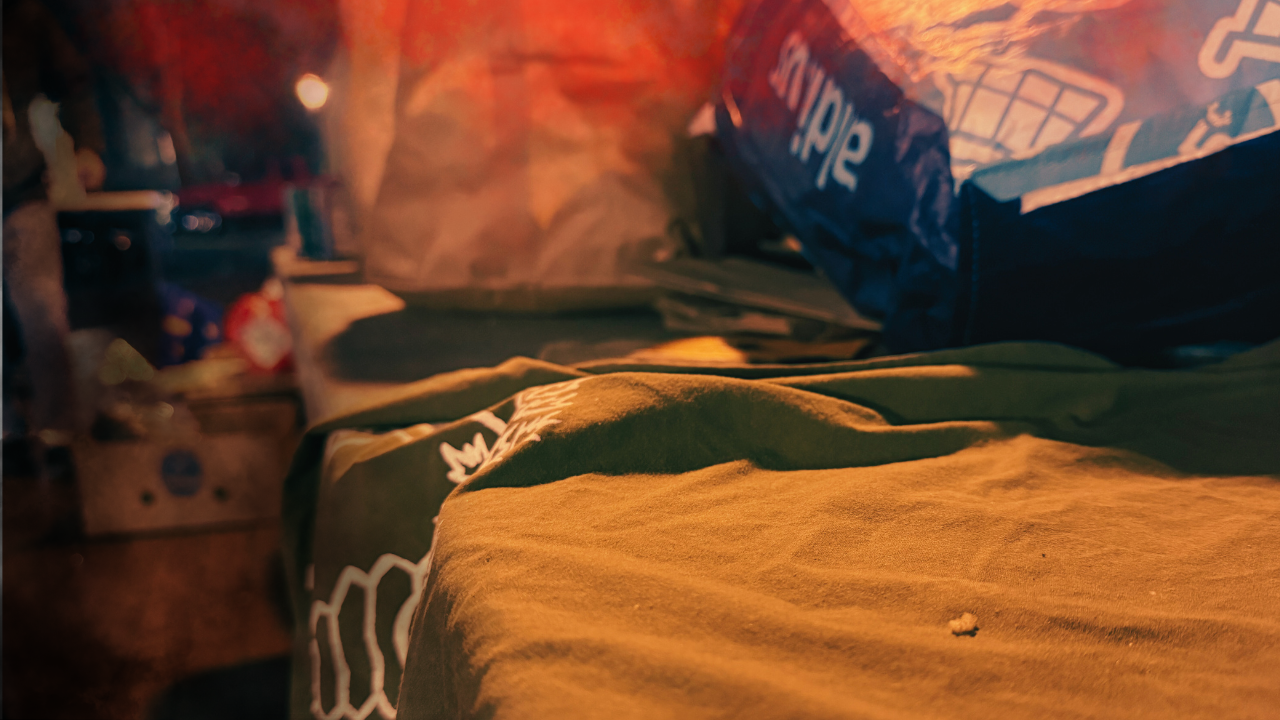
In New Jersey, several active or historically significant chapters share food in public spaces. Known locations include:
New Brunswick: Historically, it has served on Tuesday mornings at the corner of French St. and Jersey Ave., often offering coffee and bread to workers and unhoused individuals.
Trenton: Has shared meals at locations like the Imani Center on Sundays.
Asbury Park (Jersey Shore): Operates as a local collective serving the shore community.
Camden, Jersey City, and Hoboken have also hosted independent FNB collectives.
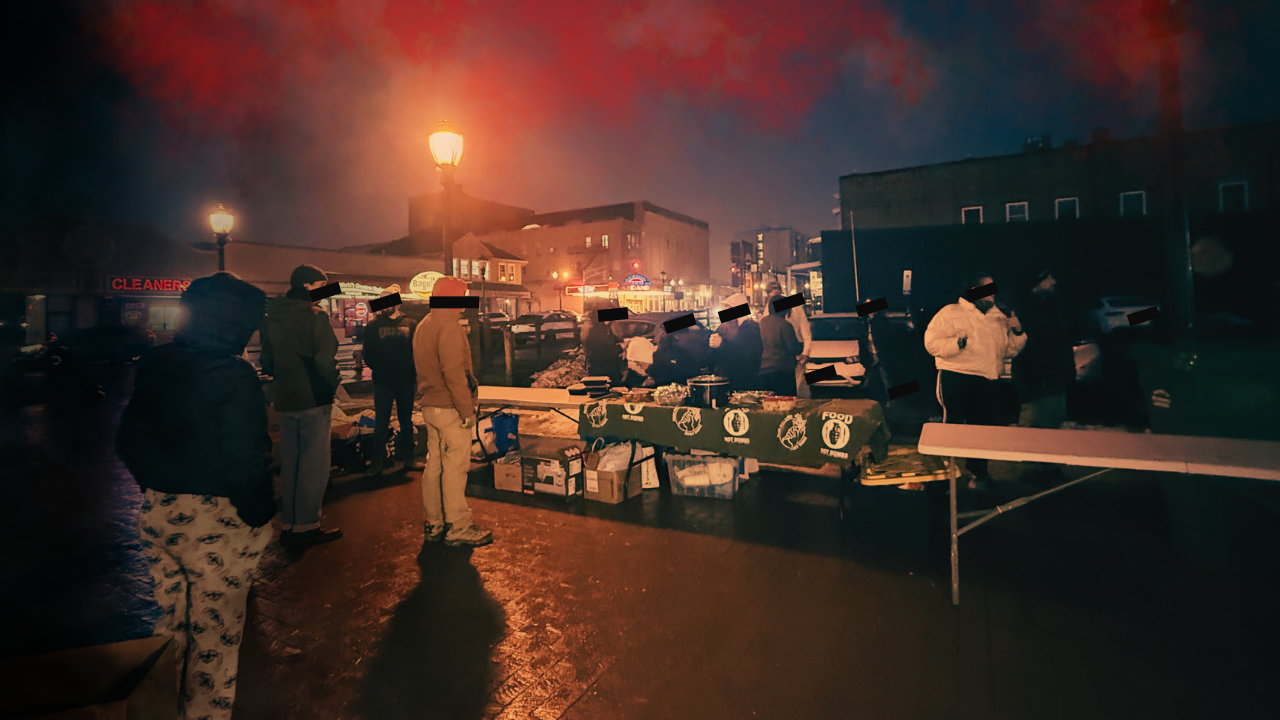
Food Not Bombs plays a vital role in supporting communities that have been neglected by their government.
Explore the action on February 20th, 2026, in Lakewood, NJ.